
Learn UI UX design in Trivandrum through hands-on, project-based training at Wikpolt Softwares. Design real screens, build a portfolio, and get guided placement support to start your UI/UX career in Thiruvananthapuram and beyond.
The UI UX design course in Trivandrum at Wikpolt Softwares is a hands-on, project-based program delivered inside an active software development company. It teaches UX research, UI visual design, Figma, prototyping, and usability testing through real-style projects, and includes portfolio building plus placement support — available in both classroom (Trivandrum) and online formats, with no coding knowledge required.
Most UI UX classes in Trivandrum teach tools. This one teaches you how to think like a designer and work like one.
Because Wikpolt Softwares is an active software development company, this UI UX design training doesn't happen in a classroom disconnected from the industry — it happens alongside people who build real products. You learn UI design and UX design the way it's actually practiced: through research, iteration, feedback, and real project constraints, not just slides and templates.
Get a glimpse of our interactive classroom setup, live mentoring sessions, and practical design workshops in Trivandrum.
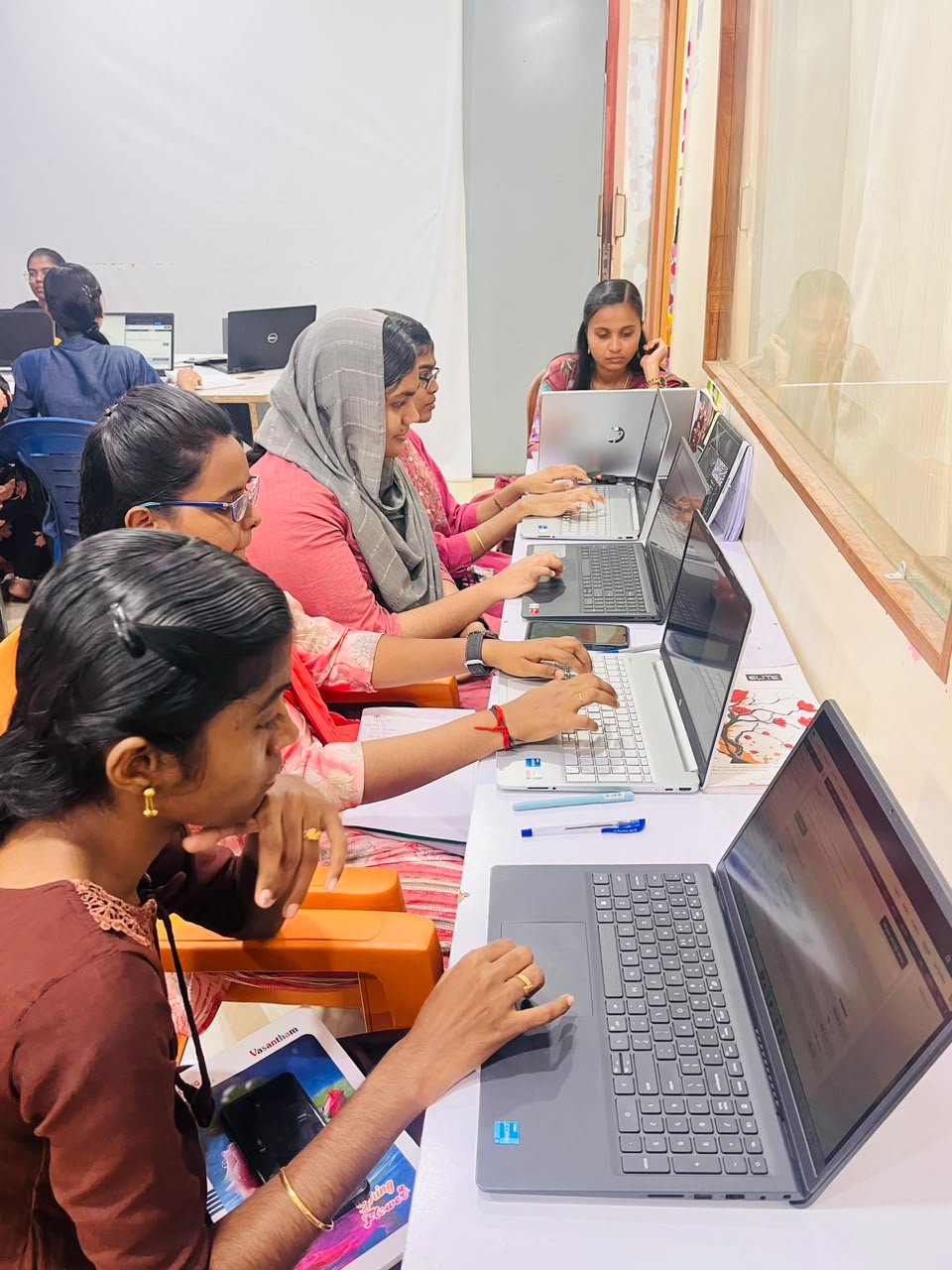
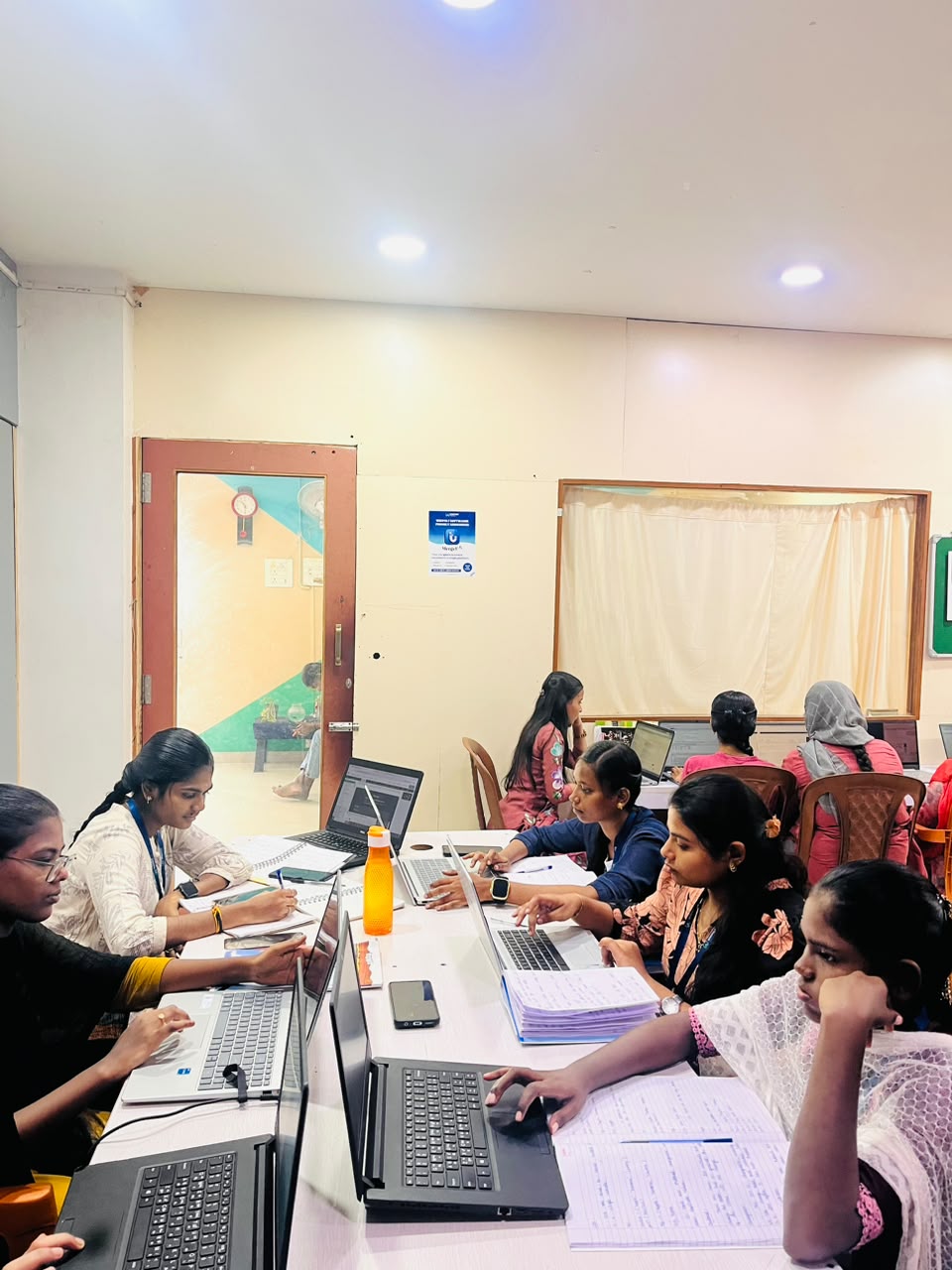
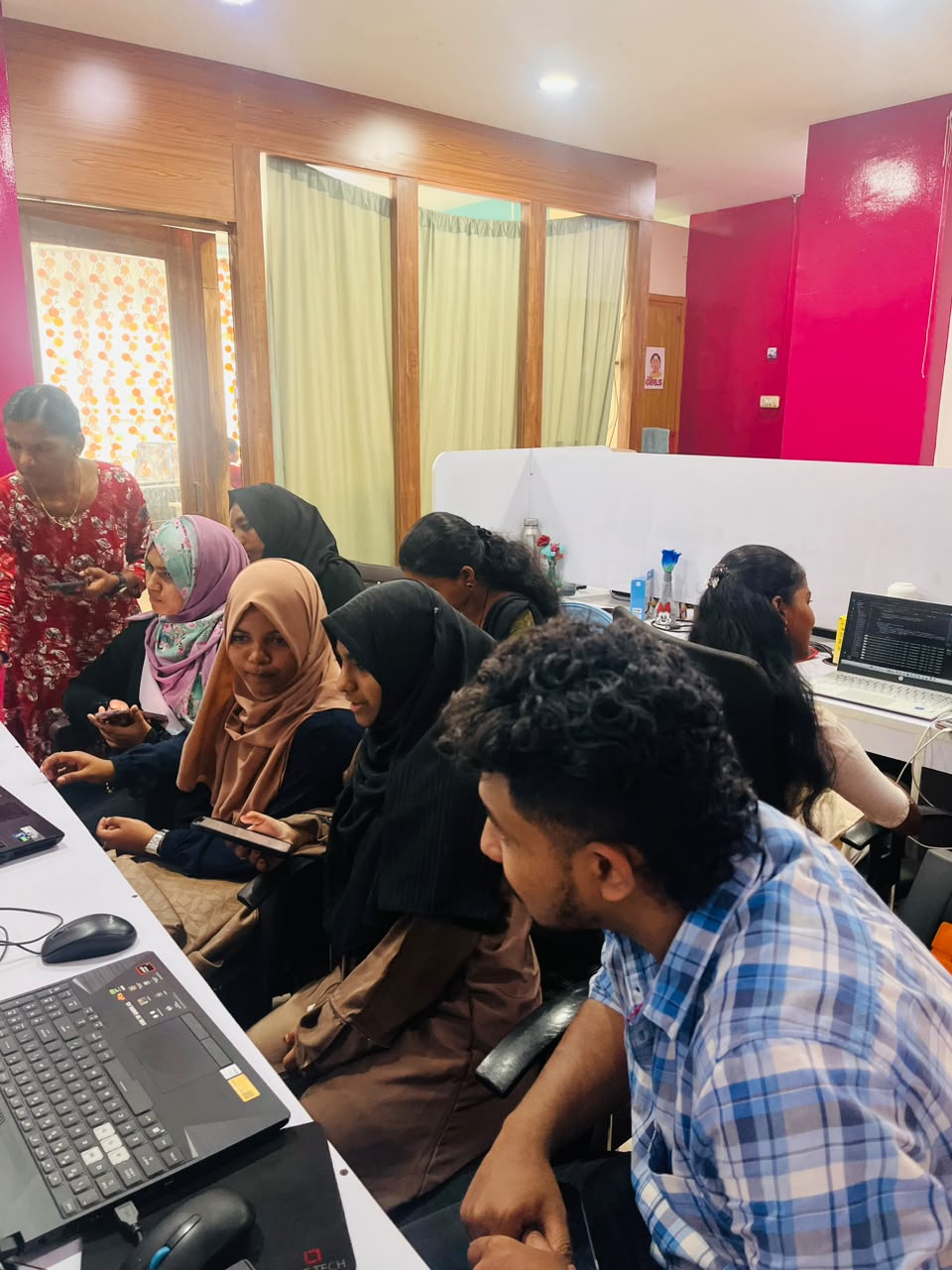
| Course Format | Classroom (Trivandrum) & Online |
|---|---|
| Course Duration | Shared during your consultation with a course advisor |
| Course Fee | Confirmed during enquiry — Get exact fee details |
| Next Batch | Ask our course advisor for the current intake date |
| Certification | Certificate of completion from Wikpolt Softwares |
| Core Tool | Figma (industry-standard UI UX tool) |
| Learning Style | Hands-on projects, real-world briefs, portfolio building |
| Support | Placement support, resume help, interview preparation |
| Ideal For | Beginners, graduates, career switchers, working professionals |
| Contact | Enquire for phone & consultation |
If you've been asking "is UI/UX still in demand in 2026?" — the honest answer is that demand has shifted, not disappeared. Companies are still building apps, websites, dashboards, and digital products, and every one of them needs someone who can make that product usable, accessible, and pleasant to interact with.
What has changed is the bar: employers now expect UI/UX designers to show real project experience and a strong portfolio, not just a certificate.
That's exactly the gap a good UI UX course in Trivandrum should close. Rather than teaching design in isolation, this course is structured so that by the end, you have actual work to show — not just knowledge to describe.
I've watched tutorials but I don't know how to actually design a real screen from scratch.
I don't have a portfolio, so no one takes my application seriously.
I don't know if I need to learn coding before learning UI/UX.
I'm not sure UI/UX design courses in Trivandrum offer real placement guidance.
I want to switch careers into design but I don't know where to start.
I can't tell which UI UX design course is actually worth the fee.
Each of these is addressed directly across this page — and directly inside the course itself.
Wikpolt Softwares Pvt Ltd is a software development company that also runs IT training and internship programs — which means design training here is shaped by how design is actually used inside real software projects, not just how it looks in a slideshow.
You train in a setting where design connects to actual product and development thinking, not an isolated design bubble.
Every concept — from personas to prototyping — is taught through doing, not just definitions.
You work on briefs modeled on real product problems, not generic textbook exercises.
The goal isn't just "finish the course" — it's "leave with work you can show."
Placement support, resume support, and interview preparation are part of the journey, not an afterthought.
Choose classroom training in Trivandrum or join online from anywhere in Kerala or beyond.
For most learners, the real question behind "UI UX course with placement in Trivandrum" isn't just "will you teach me design?" — it's "will you help me get hired after?" We take that seriously.
So your project work is presentation-ready for employers.
Structuring your resume to highlight design thinking, tools, and projects effectively.
Practicing how to walk employers through your design decisions and case studies.
Understanding which UI/UX roles fit your strengths, from UI-focused to UX research-focused paths.
Soft skills, portfolio presentation, and confidence-building for interviews and freelance pitches.
Our alumni have successfully launched careers across leading tech companies, startups, and IT service providers.
We do not promise guaranteed jobs, fixed placement percentages, or a specific number of hiring partners — because genuine placement support is a process, not a percentage. What we do commit to is preparing you as thoroughly as possible so you can compete confidently for UI/UX opportunities.
By the end of this UI UX design course, you'll be able to take a product idea from a rough concept to a polished, testable interface — and explain your design decisions clearly.
Understand user needs before jumping into visuals.
Translate research into wireframes, flows, and structured designs.
Design clean, accessible, responsive user interfaces.
Build interactive, testable prototypes.
Present and defend your design decisions like a professional.
Eight structured modules take you from UX fundamentals through to career preparation — each one built around doing, not just watching.
A strong UI UX design course should teach you tools the industry actually uses, not outdated software. This course focuses on:
The primary tool for UI design, prototyping, and collaboration used across the industry today — learning Figma for UI UX design is central to this course.
Low-fidelity design tools for structuring ideas before visual polish.
Interaction and prototyping tools within Figma to make designs testable.
Basic handoff and documentation practices for developer collaboration.
Presentation tools for case studies and portfolio delivery.
Theory alone doesn't get you hired — projects do. Throughout the course, you'll work on real-world-style projects that mirror actual product design challenges.
Each project is treated as a mini case study — meaning you don't just complete it, you document your process, decisions, and outcomes, exactly as you would when presenting to a real employer or client.
A UI/UX design certificate tells an employer you attended a course; a portfolio shows them you can actually design.
Most hiring decisions in UI/UX are made after reviewing a candidate's portfolio and case studies — not their certificate alone. That's why portfolio-building is treated as a core outcome of this course, not a side activity:
Every project is designed to be portfolio-ready
You learn how to write clear, employer-friendly case studies
You get guidance on structuring an online portfolio
You practice presenting your work out loud, the way you would in an interview
By the end of the course, you should have a small but credible body of work that reflects genuine design thinking — not just polished visuals.
On successfully completing the course, you'll receive a certificate of completion from Wikpolt Softwares, recognising your training in UI UX design fundamentals, tools, and applied project work. This certification, combined with a real portfolio, strengthens your UI UX design certification profile when applying for roles or freelance opportunities.


Whether you're based in Thiruvananthapuram or joining remotely, this course is available in two formats.
Best for working professionals, students outside Trivandrum, and learners who need flexible scheduling. If you've been searching for a "UI UX design course online" or "UX courses online" as an alternative to a fully in-person program, this online track covers the same syllabus, projects, and placement support as the classroom batch.
| Format | Best for |
|---|---|
| Classroom (Trivandrum) | Learners who prefer in-person guidance, hands-on mentoring, and a structured campus environment |
| Online (Live/Guided) | Working professionals, students outside Trivandrum, and learners who need flexible scheduling |
This course is designed for a wide range of learners.
Students and fresh graduates exploring a career in design
Career switchers from unrelated fields who want to move into UI/UX
Developers or marketers who want design skills to complement their current role
Working professionals looking to upskill through evening or online batches
Freelancers who want structured training instead of scattered tutorials
If you enjoy solving problems, thinking about how people use products, and want a creative-but-structured career path, this course is built for you.
There's no rigid academic requirement to start learning UI/UX design. In general, this course suits learners who have completed higher secondary education or a degree in any stream, along with basic computer literacy.
If you're unsure whether you meet the UI UX design course eligibility, it's best to check directly, since flexible entry paths are often available for motivated beginners.
No, coding knowledge is not required to learn UI/UX design. UI/UX design focuses on research, user experience, visual design, and prototyping — primarily done in tools like Figma, not code editors.
Basic awareness of how websites and apps are built can help you communicate with developers, but you do not need to know how to code to become a UI/UX designer.
This is one of the most common questions before starting a UI and UX design course, so here's a direct, simple answer, explained further on our blog on UI vs UX design.
About how a product looks and how users interact with individual elements — buttons, colours, typography, layout, and visual consistency.
About how a product feels to use as a whole — how easy it is to navigate, how well it solves the user's problem, and how logically it's structured.
In practice, the two are deeply connected: good UX research and structure make UI design more effective, and strong UI execution brings UX decisions to life. This course teaches both together, because that's how they're used in real product teams.
We understand that UI UX design course fees is one of the first things learners search for — and rightly so, since it's a real decision-making factor. Rather than listing a generic number, our course advisors walk you through exact fee details, available batches, and what's included, so you can make an informed decision.
Structured, project-based curriculum covering UI and UX
Hands-on Figma training
Real-world-style practical projects
Portfolio and case study development
Certification on completion
Placement support, resume help, and interview preparation
Speak with a course advisor about your background, goals, and the right batch (classroom or online).
Build core UX and UI fundamentals, from research to visual design principles.
Get hands-on with Figma through guided exercises and real practice.
Work on real-world-style design projects with feedback and iteration.
Structure your projects into a professional, presentable portfolio.
Refine your resume, prepare for interviews, and get placement support guidance.
Complete the course and receive your certificate of completion.
Our approach to career support runs alongside your learning, not just after it.
Ongoing feedback on projects to build genuinely portfolio-worthy work.
Resume structuring and portfolio finalisation support.
Mock interviews and guidance on presenting your design case studies confidently.
Continued career guidance as you apply for UI/UX design roles or freelance opportunities.
This structured, honest approach reflects our belief that job-readiness support built on real project work is more valuable than vague promises.
Free tutorials and generic online courses can teach you tool basics, but they rarely give you:
Structured feedback on your actual design work
Real project briefs designed to mirror industry problems
Guided portfolio-building support
Career guidance and placement support
A learning environment connected to an active software company
If you've been comparing "learn UI UX design" through scattered YouTube videos versus a structured UI UX design academy, the key difference is accountability, feedback, and a clear path from learning to employability — not just information access.
Trivandrum (Thiruvananthapuram) has a growing IT and software ecosystem, including established tech parks and a steady stream of startups and service companies building digital products. That means local, practical UI UX training in Trivandrum — grounded in how regional software companies actually work — gives learners in Kerala a real advantage over purely generic, location-agnostic online courses.
Learning UI/UX in Trivandrum through a software company like Wikpolt also means you're closer to the kind of practical exposure that purely academic or overseas-focused courses may not offer locally.

UI/UX skills open doors across several overlapping career paths. Depending on your interests and strengths, you could move toward:
| Job role | Focus area |
|---|---|
| UI Designer | Visual design, interface layout, design systems |
| UX Designer | Research, user flows, information architecture |
| UI/UX Designer Most common entry role | Combined UI and UX responsibilities |
| Product Designer | End-to-end product design across UX and UI |
| Interaction Designer | Micro-interactions, prototyping, motion |
| UX Researcher | User research, testing, and insights |
| Visual/Graphic-to-UI Designer | Transitioning visual design skills into digital product UI |
| Freelance UI/UX Designer | Independent client-based design work |
Like most creative-technical careers, UI/UX design has deadlines, feedback cycles, and stakeholder reviews — but it's not inherently more stressful than other tech or creative roles. Designers who understand the process (research, iteration, testing) tend to experience it as structured problem-solving rather than constant pressure. Strong foundational training reduces stress by making the workflow predictable and manageable.
UI/UX design is the practice of designing digital products — apps, websites, and software — so they are both visually effective (UI) and genuinely usable (UX). It combines research, structure, visual design, and testing to create digital experiences that are easy, efficient, and enjoyable to use.
A UX design course teaches the process of understanding user needs and turning them into structured, usable digital experiences — covering research, personas, user flows, wireframing, prototyping, and usability testing, typically alongside UI design and tools like Figma.
Illustrative feedback in the style of what our learners share after completing the course — genuine student testimonials are added here as each batch graduates.
"The projects felt like real client work, not classroom exercises. By the time I finished, I had a portfolio I was actually proud to share in interviews."
UI/UX Design Graduate, Trivandrum
"I switched from a marketing role with zero design background. The mentors broke everything down step by step and never made me feel behind."
Career Switcher, Online Batch
"Training inside an actual software company made a huge difference. I understood how designers and developers actually work together."
Fresh Graduate, Classroom Batch
"The mock interviews and resume support genuinely prepared me. I could speak confidently about every design decision I made."
UI Designer, Working Professional
If you've been searching for a best UI UX design course in Trivandrum that combines practical training, real projects, portfolio-building, and genuine placement support, this is your starting point. Learning UI/UX design doesn't have to mean scattered tutorials or disconnected theory — it can mean structured, hands-on training inside a real software company, with clear support toward your first design role.
UI/UX design is the practice of designing how digital products look (UI) and how they function and feel to use (UX), combining visual design, research, and usability principles to create effective user experiences.
Course fees vary based on format (online vs classroom) and batch. Speak with a course advisor at Wikpolt Softwares for exact UI UX design course fees, current pricing and available options.
Yes. Digital products continue to grow across industries, and companies consistently need designers who understand usability, research, and interface design, especially those with real project experience and a strong portfolio.
The best UI/UX course combines structured theory with hands-on projects, portfolio-building, and career support, not just tool tutorials. Look for practical, project-based training with genuine placement guidance.
UI/UX design involves deadlines and feedback cycles like most tech roles, but strong training in structured design processes makes the work manageable and often deeply satisfying rather than overwhelming.
Generally, learners who have completed higher secondary education or a degree in any stream, with basic computer literacy, can join. Confirm specific eligibility details with a course advisor.
No. UI/UX design primarily uses design tools like Figma rather than code. Basic technical awareness helps with developer collaboration but isn't required to start learning.
Figma is the primary industry-standard tool taught in this course for UI design, prototyping, and collaboration, alongside wireframing and documentation practices used in real product teams.
Yes. The course is available both as classroom training in Trivandrum and as a live, guided online program, covering the same syllabus, projects, and placement support.
Yes. Placement support includes portfolio review, resume support, interview preparation, and career guidance, all built into the course, without guaranteed-job claims.
Yes, learners receive a certificate from Wikpolt Softwares upon successful completion of the UI UX design course.
Yes. The course is built around real-world-style projects and case studies, so learners finish with practical, portfolio-ready work rather than just theoretical knowledge.
Course duration details are shared during your consultation with a course advisor, based on the classroom or online batch you choose.
Yes. Online and flexible batch options are designed to accommodate working professionals alongside students and fresh graduates.
You can enquire through the contact form, call Wikpolt Softwares directly, or book a free consultation to discuss batches, fees, and eligibility with a course advisor.